Why the calendar comes first
Most accessory categories have one strong season and a long quiet tail. A shop that gets sunglasses in early March sells through the spring weather. The same order arriving in late May competes with every discounter. Factory-direct supply adds production and transport time on top, so the decision falls months before the first customer walks in.
Work backwards. Take the date you want goods on the shelf, subtract transport, production and sampling, and you have the date you must confirm the order. Our planning figure is about 8–12 weeks from order to our warehouse, including 25–45 production days and 25–45 days of rail or sea transport.
The two main seasons
Fashion accessories follow two buying windows, the same as clothing.
- Spring/summer: sunglasses, straw and canvas totes, bucket hats, baseball and trucker caps, claw clips and hair clips, light layered necklaces, anklets and colourful bracelets. Order by November–January for March–April delivery.
- Autumn/winter: knit beanies, scarves, touchscreen gloves, mittens, leather gloves, house slippers, wallets and card holders, and jewellery for Christmas gifting. Order by May–July for September–October delivery.
Order calendar by category
| Category | Main selling period | Confirm order by |
|---|---|---|
| Sunglasses | March–August | November–January |
| Straw and canvas totes | April–August | December–January |
| Caps and bucket hats | March–September | November–January |
| Claw clips, scrunchies, hair clips | All year, peak spring and summer | December–February, reorders all year |
| Beanies, scarves, gloves | October–February | May–July |
| House slippers | October–January | May–July |
| Jewellery and gift sets | November–December, February, May | June–August for Christmas |
| Wallets, card holders, keychains | November–December, plus all year | June–August for Christmas |
Dates shift by country and climate. A shop in Spain sells sunglasses earlier and longer than one in Poland. Our markets page covers the main differences by country.
Gifting peaks for jewellery
Costume jewellery has three peaks on top of the seasons:
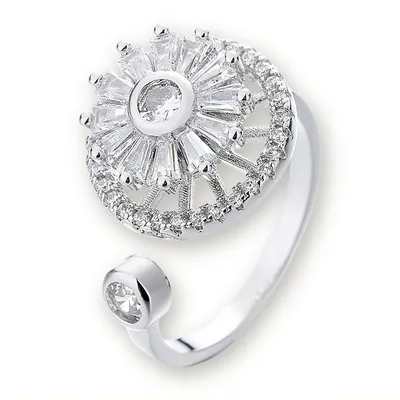
- Christmas. The largest. Gift boxes, sets and jewellery with cards sell from mid-November. Goods should be in the shop by the end of October.
- Valentine's Day. Hearts, initials, couples' bracelets and red gift boxes. Because production stops for the factory holidays in late January–February, these orders should ship before the holidays, which means confirming them in November.
- Mother's Day. Dates differ across Europe, from March in the UK to late May in France and Poland. Pearl necklaces, initial pendants and boxed sets do well.
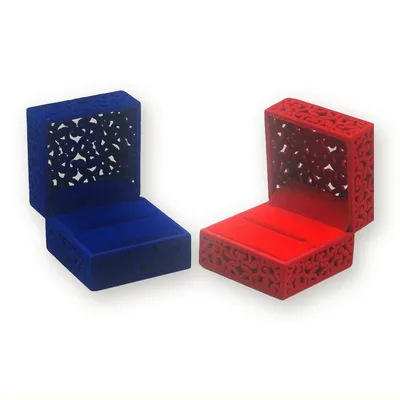
For each peak, think about the packaging as much as the item. A plain pendant in a polybag and the same pendant on a printed card in a gift box sell at different prices. Our display-ready packaging page shows the options.
The factory holidays
Factory holidays in late January–February stop production for three to five weeks. In the weeks before, factories are full, freight space is tight and prices for transport often rise. After the break, staff return slowly and the first weeks run below capacity.
For spring/summer stock this is the main risk. An order confirmed in January may not start production until March. The safe plan is to confirm spring orders in November and December, so they are produced and shipped before the holidays.
Private label needs extra time
Logo work adds steps: artwork, a pre-production sample, your approval and then production. Engraved or stamped logos on clasps, embossed leather and woven labels each need tooling or setup. Add printed cards, hang tags and gift boxes, and the list of approvals grows.
For spring stock with your brand, start by mid-December. For Christmas, start by June. Our private label page describes the steps and the minimum of 300 pieces per model.
Trade fairs and buying meetings
Accessory trade fairs in Europe run in January–February and July–September. Many buyers see the trends there and then place orders. If you buy factory-direct, fair season is late for production: by the time you choose, the factories are already busy. Use the fairs to confirm direction and order your core range earlier.
A practical buying plan
- Core range early. Order the models that sell every year, such as plain hoops, stainless chains, basic beanies and black claw clips, at the start of the window.
- Trend items later and smaller. Colours and shapes that may not last get a smaller first order.
- Reorders by air or rail. Light items such as earrings and hair clips can be reordered mid-season with a short lead time if the first batch sells well.
- Split by season. Ordering sunglasses and slippers in one shipment ties up cash and storage. Two shipments often work better.
Cash flow and stock levels
Early ordering means paying early. With a deposit of 30–50 % at order and the balance before shipment, spring stock is mostly paid for by January, two months before the first sales. Plan this into the budget, and keep enough cash for mid-season reorders of the best sellers.
One practical approach is to order the larger part of the expected season quantity up front and keep a share back for reorders. For items with a short lead time, such as earrings on cards or hair ties, the share up front can be lower. For bulky goods with long transport, such as slippers and bags, it should be higher, because a reorder may arrive after the season.
Reading your own sales data
The best guide to next season is last season. Before you plan, list the sell-through for each model: how many arrived, how many sold at full price, how many went to markdown. Look at colours and sizes separately. If gold-tone hoops sold out and silver-tone hoops were marked down, the split for next year is clear. If size 38 slippers sold first, adjust the size run.
Write down the week each category started to sell. That date, minus the lead time, gives your personal order date, which is more useful than any general calendar.
Mixed orders across categories
A boutique rarely needs a full carton of one item. One mixed order with jewellery, bags, hats and hair accessories shares the freight and the paperwork. Plan the mix around one arrival date, and check that every category in it fits that date.
If you are not sure which window fits your shop, send us your list and the date you want the goods, and we suggest an order date.